Job roles
- charlotte2006lr
- Oct 31, 2023
- 3 min read
In the process of creating film and TV shows, we have a team of people who each have jobs and responsibilities to make sure everything is done to the standard that is needed. I will be looking into job roles, what they are, what they do and what that helps the process with.
Cinematographer
A cinematographer (also known as a director of photography) is in charge of the photography used in the production. Cinematographers work with with the directors, using the script/screenplay to come up with ideas as to how they want out outcome of the film to look like. For example, by using the script the cinematographer and director can show the audience a range of things from the shot decisions and camera movements used. When filming, it is typical for cinematographers and the camera crews to arrive and block scenes and test to see how the four pillars may be used to create the best outcome of the scenes (lighting, focus and framing).
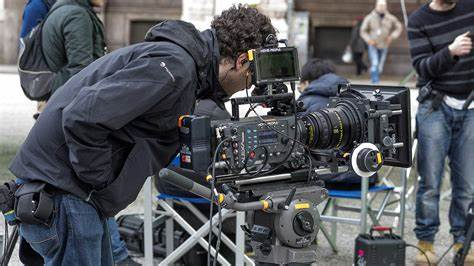
Cinematographers should have a good knowledge in photography, helping them show what shots are used, why and how to make them look the best. This links to technical knowledge, of cameras and equipment. Understanding how to use equipment will make shots used the best as the user knows what they are doing with it. Editing knowledge is useful as it helps the cinematographer in the editing process project the ideas they came up with look the way they wanted.
Cinematographers work closely with camera operators who capture the shots that have been chosen by the cinematographer and director. Sometimes this will also be Steadicam operators as they too capture the shots chosen by the director and cinematographers.
Sound recordist
Sound recordists (also known as sound mixers) are responsible for capturing dialogue and diegetic audio that is heard whilst filming. Sound recordists figure out how to get the best form of audio and how it will be captured logistically (filming in locations that are notorious for being noisy such as train tracks). Sound recordists are responsible for making sure audio is recorded at a decent level that can be heard and recognised in scenes or can later be changed and edited to be made better.

Sound recordists face issues frequently due to background noises. For example, the rustle of clothing/costumes, the humming of electrical equipment or weather conditions like wind or rain. Sound recordists have to fix this which is often quite difficult.
Sound recordists use skills like listening extremely carefully to what sound is being given off, and understanding how sound works and how it is carried. Sound recordists work closely with boom operators who control sound effects and make sure that microphones are hidden.
Director
Directors (also known as filmmakers) are in control of the creativity and vision of the film. They run the production and order what goes on. Directors work closely with screenwriters (who write the script) and are put in charge by the producers. The director works with majority is not all of the cast and crew to overrule the production. Directors are appointed by the executive producers, who are appointed by the studio. Directors are in charge of choosing actors, they do this by working with casting directors.

Directors need to have a range of different skills to help production run smoothly. For example, directors should have good leadership as they are in charge and need to manage everyone well, they must have imagination as they are the creative flow of the project, arts knowledge is needed as they are going to be creating art.
Directors work with every head of department and work with all actors on set.
Producer
Producers are the overall decision makers in the film process. Producers are the people who come up with the rough idea for the film and begin the creative writing process with a team of freshly hired writers.

Producers need to be good at understanding how to create films and TV programs, know how to tell a story - keeping it consistent and clear and be on top of organisation, this is for making sure everything runs smoothly and all things are taken care of.
Producers work with everyone on set and lead the team through production.
Casting director
Casting directors are used to help search for actors and actresses that could fit roles. Casting directors go through scripts and talk to producers and directors to see who they are envisioning in the role - what they may look like, what rough age characters are etc. Casting directors often go to plays, shows and different productions to see new people who may have not had a big break yet.
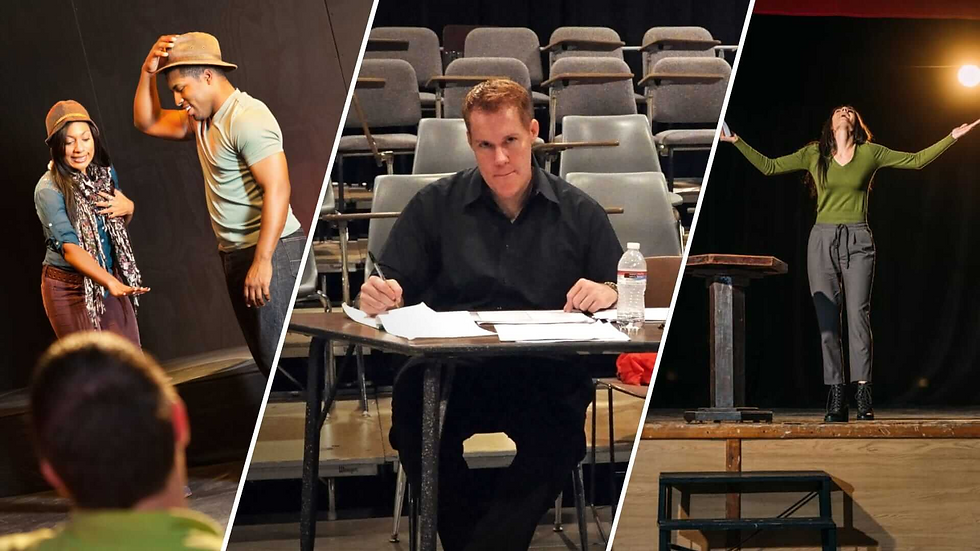
Casting directors need to be good at knowing industry and actors, seeing how they work and what works well, casting directors need to keep their eyes open to give more oppotunitys to others.
Casting directors work closely with the producers and directors to understand the vision they have for the cast in the film. They also work with the actors.
Comments